The Science of how Students Learn
Deb is a Principal Consultant at Cognition Education and the Director of Visible Learning plus. She manages products and services internationally for the company.
Through her extensive experience in primary and secondary teaching, Deb has a background in assessment, previously holding a senior assessment role with the Ministry of Education in Wellington. Deb also has an in-depth knowledge of e-asTTle and has been closely involved in its development since 2002.
Deb has responsibility for developing the Visible Learning professional development model in partnership with John Hattie. She is also heavily involved in developing Visible Learning training and support materials, training Visible Learning facilitators and in delivering Visible Learning training globally.
Do we teach students how to learn?
How do we teach students how to learn?
Self Responsibility - “Knowing how I learn and why I’m learning it”
- It is up to us to choose whether we are ready to learn or not.
- I need to be able to review where I am and what I need to do next - my reflections need to inform what I am going to do next - through deep thought.
- The language of learning - vocabulary, reflection and where to next needs to be strong.
- Use a number of ways to consolidate the learning that has been absorbed - e.g. can I discuss/tell someone else and they get it - this shows I know what I am doing.
- Learning needs to reflect how students learn - not just one way.
- Learners know what they are learning - their expectations are clear - they can reflect on their successes, but also know how to deal with their failures.
How do you know the next step - “It’s up to us to know. We shouldn’t rely on the teacher”
Learning Strategies -
Students explain learning -
Explaining progress to teachers - explain and justify
Collaborative learning within social networks -
Explaining the learning dispositions and overcoming errors - “You can learn from mistakes” “You’re in the pit when you don’t have a buddy to help you” “You can climb out of the pit then you fall back in” “Getting out the pit is how you learn”
What do we learn from learners about their strategies? How do we as teachers encourage the discussion and depth of knowledge gained?
Listening to conversations and use them to build strategies for further learning.

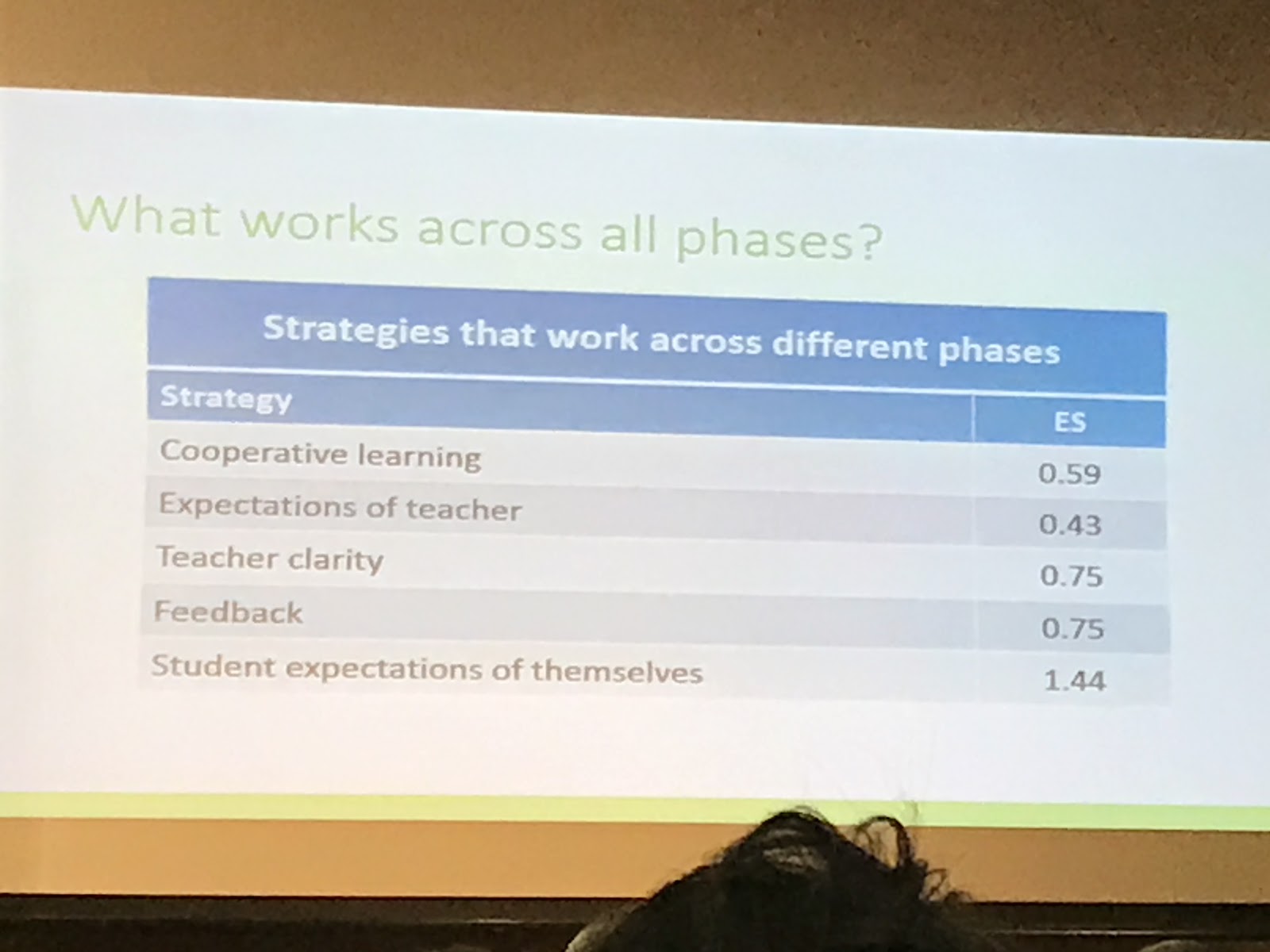
Hattie’s research - effect size scale - used to gather information from learning data to look at the most effective strategies for student achievement. - Hinge point - 0.59
A Model of Learning:
What is learning - surface knowledge, deeper understanding, transfer this learning.
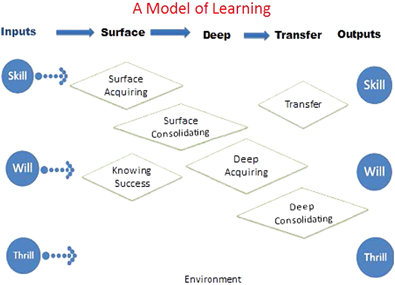
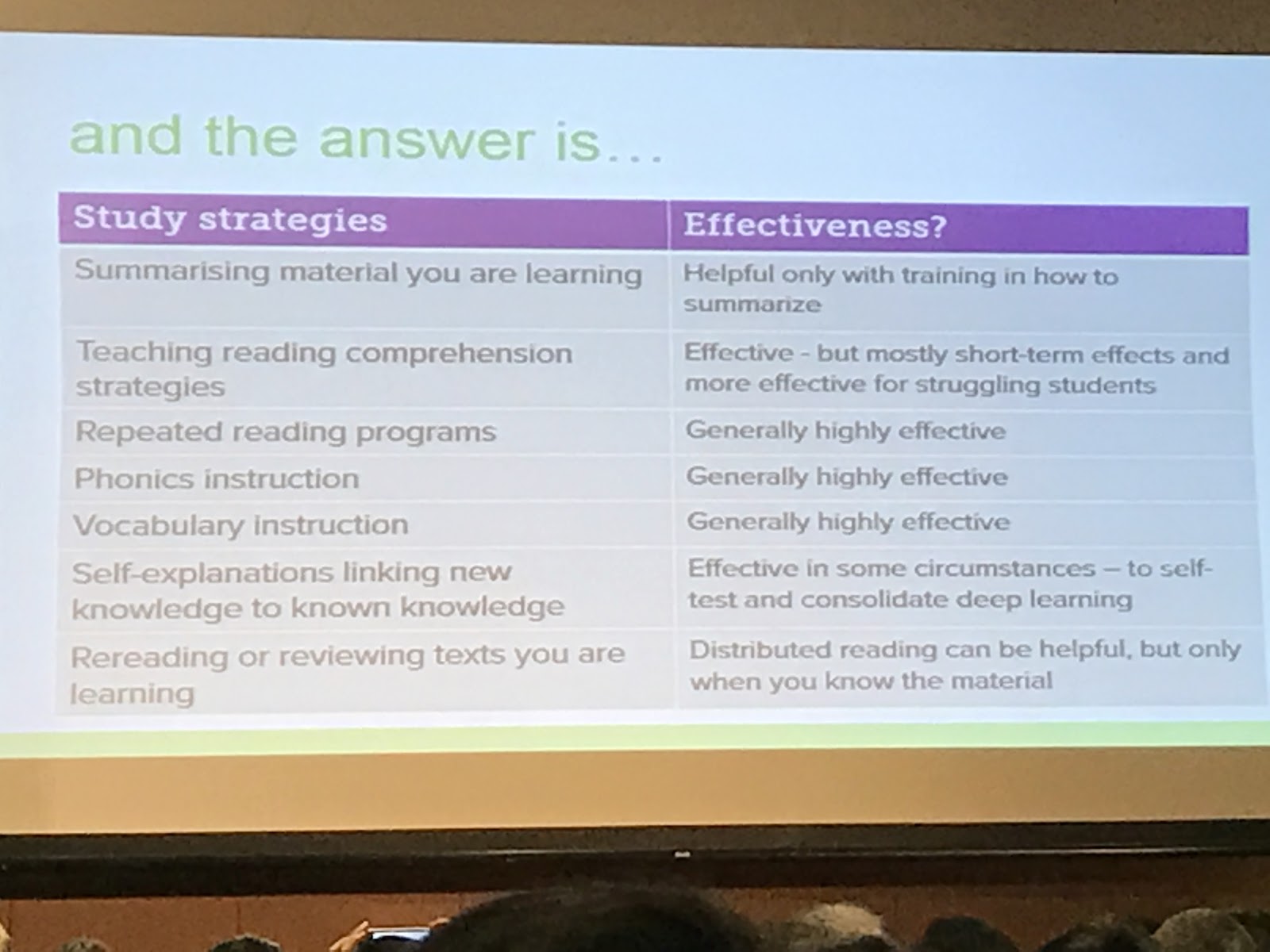
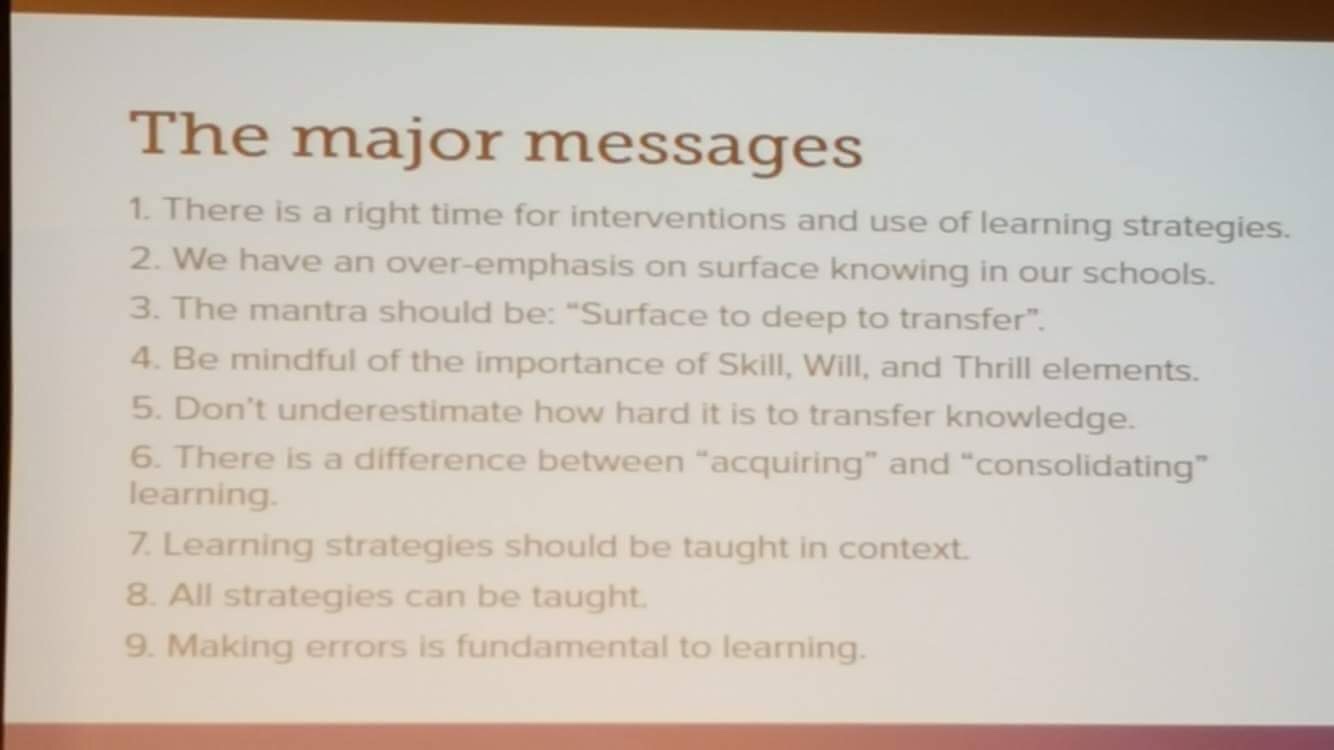
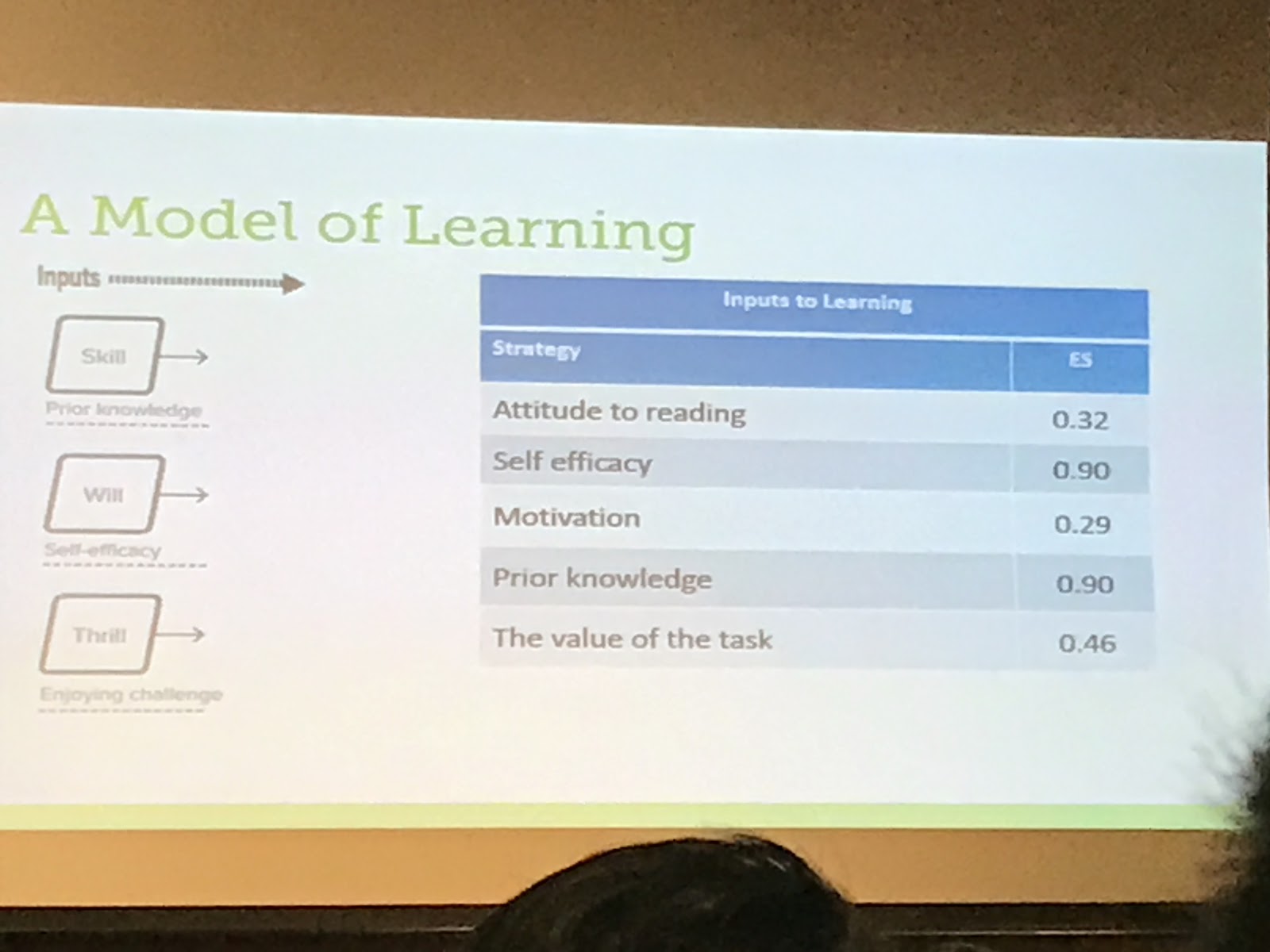
It is important for learners to know what success looks like - success criteria and learning intentions need to be visible - you and your learners need to know what success looks like and how to get there.
Need a balance of surface and deep learning.

Kenny Rogers quote “Know when to hold ‘em” 
To see learning through the eyes of students - When teachers see learning through the eyes of teachers and students see themselves as teachers.
Teachers need to be able to ask better questions of their students and themselves.

In a diverse class - as most classes are - how can we overcome challenges associated with differentiated learning to maximize effectiveness for all students.
It about your mindframe - this is an opportunity
Comments
Post a Comment